Online shopping has changed dramatically over the past few years. Customers no longer want to browse hundreds of products before finding the right one. They expect quick, relevant, and personalized recommendations that match their preferences. This is where an AI shopping assistant becomes a game changer.
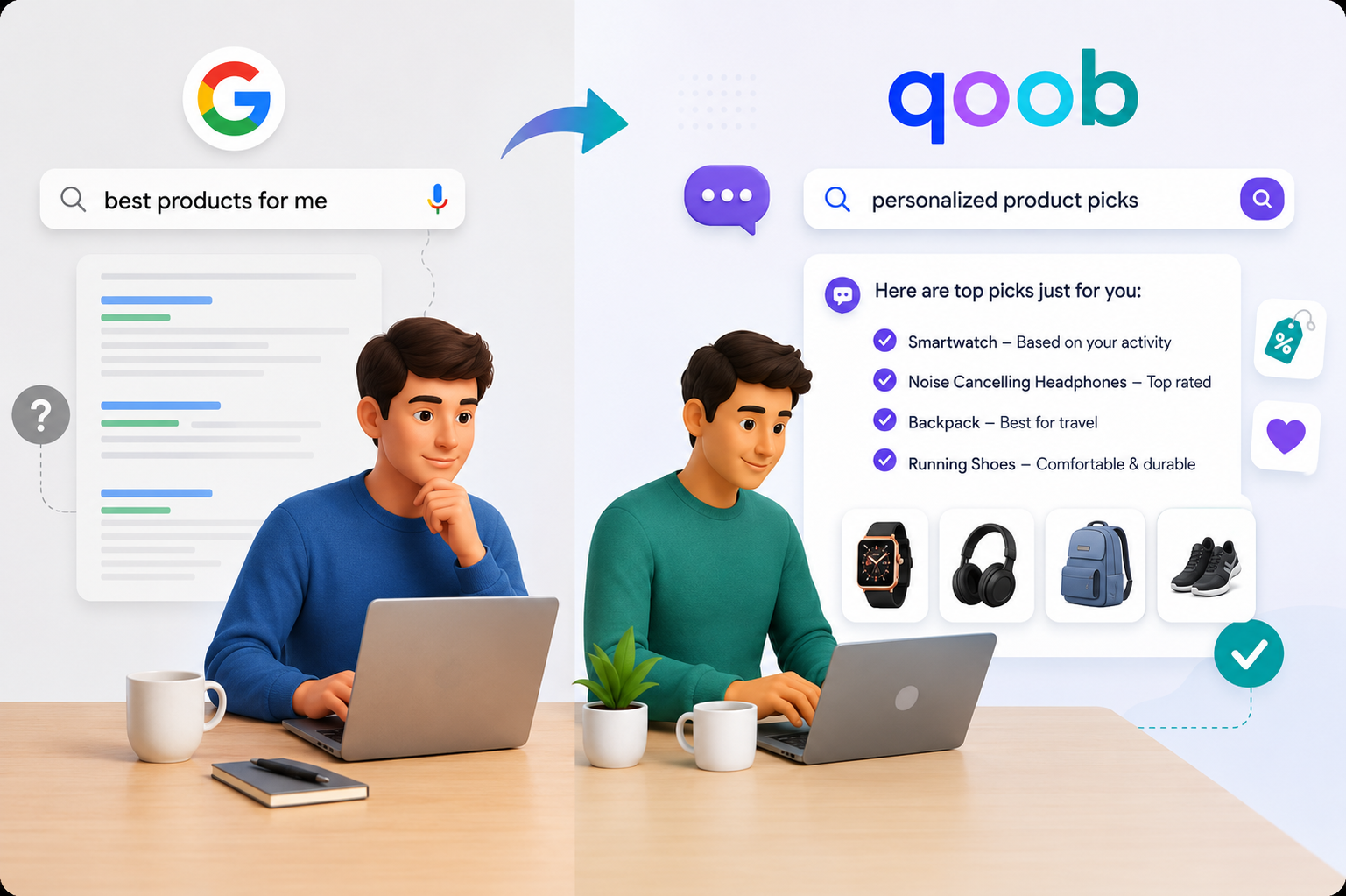
An AI shopping assistant uses artificial intelligence, machine learning, and customer data to understand shopping behavior and recommend products that are most relevant to each individual. Instead of showing the same products to every visitor, it creates a unique shopping experience based on customer interests, browsing history, purchase patterns, and preferences.
Businesses that use AI powered shopping assistants not only improve customer satisfaction but also increase conversions, average order value, and customer loyalty. In this article, we will explore how an AI shopping assistant delivers personalized product recommendations and why it has become an essential tool for modern ecommerce businesses.
What Is an AI Shopping Assistant?
An AI shopping assistant is an intelligent digital solution that helps customers discover products more efficiently. It analyzes user behavior, understands customer intent, and suggests products that are likely to match individual needs.
Unlike traditional search filters, AI continuously learns from customer interactions. Every search, click, purchase, and product comparison helps the system become smarter over time.
Why Personalized Product Recommendations Matter
Customers are surrounded by countless shopping choices. Too many options often lead to decision fatigue, making shoppers leave without purchasing anything.
Personalized recommendations simplify the buying journey by presenting products that are more likely to interest each customer.
Some major benefits include:
- Higher customer engagement
- Improved shopping experience
- Faster purchase decisions
- Increased sales and conversions
- Better customer retention
Personalization helps businesses build stronger relationships because customers feel understood rather than being treated like anonymous visitors.
How AI Understands Customer Preferences
An AI shopping assistant gathers information from multiple customer interactions. Instead of relying on a single action, it combines various data points to create a complete customer profile.
Browsing Behavior
AI observes which products customers view, how long they stay on product pages, and which categories attract the most attention.
For example, if a visitor spends several minutes looking at running shoes, fitness apparel, and sports accessories, the AI identifies an interest in athletic products.
Purchase History
Past purchases reveal valuable information about customer preferences.
Someone who regularly buys premium skincare products is more likely to receive recommendations for luxury beauty items rather than budget alternatives.
Search Queries
Customer searches reveal buying intent.
If someone searches for “wireless noise cancelling headphones,” AI understands the exact product category and recommends similar models, accessories, and related products.
Machine Learning Improves Recommendations Over Time
One of the biggest strengths of an AI shopping assistant is continuous learning.
Every customer interaction becomes new training data. The more people interact with the platform, the better the recommendation engine becomes.
Instead of using fixed rules, machine learning identifies patterns such as:
- Products frequently purchased together
- Seasonal buying trends
- Popular combinations
- Customer interests across different categories
This allows recommendations to evolve automatically without requiring manual updates.
Types of Personalized Recommendations
Different recommendation strategies help customers at various stages of the shopping journey.
Product Similarity Recommendations
Customers often want alternatives before making a decision.
AI suggests similar products with different features, prices, or brands so shoppers can compare options easily.
Frequently Bought Together
AI identifies products that customers commonly purchase in the same order.
Examples include:
- Laptop with a wireless mouse
- Smartphone with a protective case
- Camera with a memory card
These recommendations increase convenience while boosting average order value.
Recently Viewed Products
Customers often return to products they previously explored.
Showing recently viewed items reduces friction and helps shoppers continue their buying journey without searching again.
Personalized Homepages
Instead of displaying identical products to every visitor, AI customizes homepage recommendations based on individual interests.
A returning customer interested in electronics will see different featured products than someone who regularly shops for fashion.
How AI Uses Real Time Data
Customer preferences can change quickly. Someone browsing travel bags today may be shopping for kitchen appliances next month.
An AI shopping assistant processes real time interactions to adapt recommendations instantly.
For example, if a customer suddenly starts searching for baby products, AI immediately updates its recommendations without relying only on older purchase history.
This flexibility keeps product suggestions accurate and relevant.
Natural Language Processing Makes Shopping Easier
Modern AI shopping assistants use Natural Language Processing (NLP) to understand how people communicate.
Customers can ask questions naturally instead of typing exact product names.
For example:
- Show me lightweight running shoes under $100.
- I need a gift for a coffee lover.
- Recommend a waterproof backpack for travel.
The AI understands the intent behind these requests and delivers personalized recommendations based on customer needs.
This conversational shopping experience feels much more natural than traditional keyword searches.
Benefits for Ecommerce Businesses
Personalized recommendations benefit both customers and online retailers.
Higher Conversion Rates
Customers are more likely to purchase products that match their interests.
Relevant recommendations reduce browsing time and encourage faster buying decisions.
Increased Average Order Value
AI introduces complementary products during the shopping journey.
For example, customers purchasing a laptop may also buy accessories that enhance their overall experience.
Better Customer Retention
Satisfied customers are more likely to return.
When shoppers consistently receive useful recommendations, they develop trust in the platform and become repeat buyers.
AI Reduces Decision Fatigue
Modern ecommerce stores may contain thousands of products.
Without intelligent guidance, customers can feel overwhelmed.
An AI shopping assistant narrows the choices by highlighting products that match each shopper’s preferences.
Instead of scrolling endlessly, customers receive a carefully selected list of products that fit their needs.
This creates a smoother and more enjoyable shopping experience.
AI Supports Omnichannel Shopping
Customers interact with brands across multiple channels, including websites, mobile apps, social media, and messaging platforms.
An AI shopping assistant maintains a consistent shopping experience across these touchpoints.
For example, a customer who adds products to a cart on a mobile device can receive relevant recommendations later on the desktop website without starting the shopping journey from the beginning.
This seamless experience improves customer satisfaction and strengthens brand loyalty.
Privacy and Responsible Personalization
Personalization should always respect customer privacy.
Businesses using AI shopping assistants should collect data responsibly and remain transparent about how customer information is used.
Best practices include:
- Following data privacy regulations
- Giving customers control over their preferences
- Protecting personal information with secure systems
Responsible AI builds long term customer trust while delivering meaningful personalization.
Future of AI Powered Product Recommendations
Artificial intelligence continues to evolve rapidly.
Future AI shopping assistants will become even more accurate by combining predictive analytics, voice shopping, visual search, and advanced customer behavior analysis.
Instead of simply responding to customer actions, AI will anticipate future needs and recommend products before customers actively search for them.
This next generation of personalization will make online shopping faster, more intuitive, and significantly more engaging.
Conclusion
Personalized product recommendations have become one of the most valuable applications of artificial intelligence in ecommerce. An AI shopping assistant analyzes customer behavior, understands shopping intent, and delivers highly relevant product suggestions that improve every stage of the buying journey.
From browsing behavior and purchase history to real time interactions and natural language conversations, AI creates shopping experiences that feel tailored to each individual customer. Businesses benefit through higher conversions, increased customer loyalty, and improved revenue, while shoppers enjoy faster and more satisfying purchase decisions.
As ecommerce continues to evolve, AI shopping assistants will play an even greater role in helping customers discover the right products with minimal effort.
About Qoob
Qoob empowers ecommerce businesses with intelligent AI shopping assistant solutions that deliver personalized shopping experiences, improve customer engagement, and help brands increase conversions through smarter product recommendations.